Add Row
Add Element
cropper
update
ColumbusRise
Columbus Rise Logo
update
Add Element
  • Home
  • Categories
    • Features
    • Business
    • Wellness
    • Family
    • Money
    • Tech
    • Culture
    • Events
    • Entertainment
July 16.2025
3 Minutes Read

Why Real Estate Commissions Remain Steady After Landmark Settlement: Insights for Buyers and Sellers

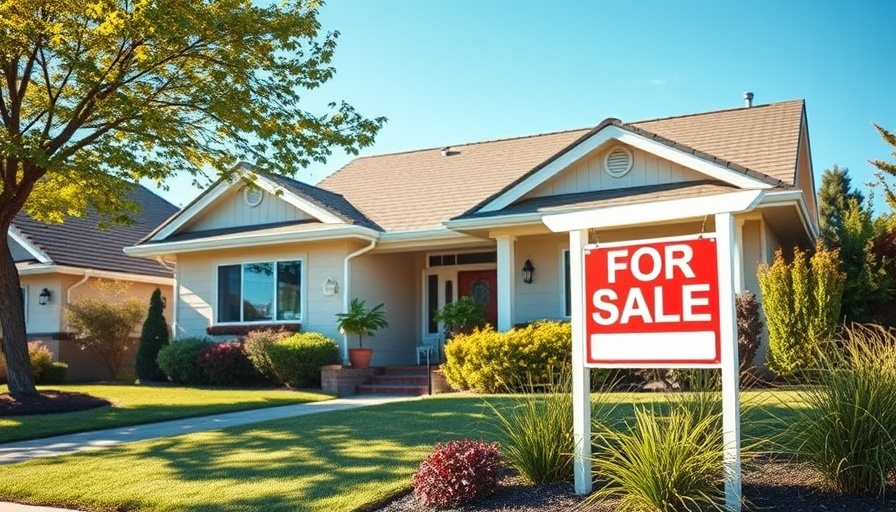
For Sale sign in front of suburban home, real estate commissions.


Expectations vs. Reality: The Shifting Landscape of Real Estate Commissions

In an unexpected turn of events, the anticipated drop in real estate commissions following a landmark legal settlement has not materialized as many industry experts had predicted. The National Association of Realtors (NAR) faced a historic lawsuit alleging that their commission structures facilitated inflated fees, thus leading to an overall increase in homebuyer costs. The ruling, which many believed would trigger a wave of commission reductions across the board, has left both home sellers and buyers questioning the dynamics of real estate commissions in a rapidly evolving market.

The Legal Framework: Understanding the Settlement's Impact

The legal ruling aimed to dismantle long-standing practices within the real estate sector by pushing for transparency in commission rates. Despite initial optimism for lower fees, agents are now reporting that many brokerages are opting to maintain their commission structures. This suggests that factors such as brand reputation and service quality play pivotal roles in consumer decisions, often outweighing the pressure to lower fees. The ongoing debate around the effectiveness of these practices is critical for understanding the future of residential real estate transactions.

The Role of Technology in Shaping Commission Structures

Amidst these changes, technology continues to play a significant role in shaping the buying and selling processes. Virtual tours, AI-driven pricing analyses, and consumer access to market data have empowered buyers and sellers, potentially reducing the need for traditional agent services and enabling more competitive pricing. However, while technology does provide opportunities for cost efficiencies, the emotional and personal connections involved in transactions still keep traditional agents in the game.

Market Dynamics: Shifting Buyer and Seller Expectations

The current housing market reflects a unique paradox. Homebuyers are increasingly concerned with cost efficiency, yet they also seek personalized services from agents. According to recent studies, the perceived value of having expert guidance through complex transactions keeps commission rates steady despite external pressures. This trend indicates that consumer behavior is more influenced by trust and perceived value than by pricing alone.

Future Predictions: What Lies Ahead for Real Estate Commissions

As the real estate market adapts to economic shifts post-settlement, predictions point toward a mixed future for commission rates. If housing prices continue to climb, agents may find it challenging to justify higher fees, leading some to reconsider their pricing strategies. Alternatively, as competition increases, we may also see innovations in service delivery that justify current commission rates, indicating a potential stability amidst change.

Actionable Insights for Homebuyers and Sellers

For those looking to buy or sell in the current climate, it is essential to stay informed about market trends and commission structures. Homebuyers should not hesitate to ask agents about their commission rates upfront, while sellers should leverage recent data to negotiate terms that reflect their unique value propositions. As consumers become more engaged in understanding their real estate transactions, knowledge becomes a powerful tool in navigating commissions effectively.

Emotional Impacts: The Human Element in Real Estate Transactions

Additionally, the emotional weight of buying or selling a home means that personal relationships and trust in agents cannot be overlooked. While technology offers efficiency, the human touch remains critical in creating a seamless transaction experience. Prospective buyers and sellers might find that connecting with an agent who understands their personal journey is just as important as negotiating fees.

Conclusion: Stay Informed, Stay Engaged

In conclusion, while the expected drop in real estate commissions appears elusive, understanding the nuances of this landscape is essential for anyone involved in buying or selling property. Brokers, buyers, and sellers alike must adapt to the evolving market, acknowledging that relationships and personalized services continue to hold supreme value. Arm yourself with knowledge and engage with the nuances of the real estate market to make informed decisions that benefit your investments. For more insights on how current trends can impact your home buying or selling experience, stay tuned for future articles.


Business

0 Comments

Write A Comment

*
*
Please complete the captcha to submit your comment.
Related Posts All Posts
04.16.2026

Exploring Office-to-Residential Conversions: A Path to Revitalize Central Ohio

Update Reshaping Commercial Real Estate: The Rise of Office Conversions As the professional landscape continues to evolve post-COVID-19, a remarkable trend is emerging in urban centers across the United States: the surge in office-to-residential conversions. This transformation is not merely a response to the declining need for traditional office spaces but also a proactive measure to address the growing housing crisis. Central Ohio, like many regions, is witnessing a shift that is likely to redefine its economic landscape in the coming years. The Economic Drivers Behind Conversions Declining office values have become a catalyst for developers and city planners to explore adaptive reuse projects, particularly in Central Ohio. Many buildings that once housed corporate offices are being repurposed into residential units, catering to a strong demand for housing in vibrant urban settings. According to CBRE, over 23 million square feet of office space is projected for conversion this year alone, surpassing new office supply deliveries. This trend aligns with overarching economic shifts that necessitate the repurposing of existing real estate to meet current market demands. Lessons from National Trends: A Case Study Approach Examining the case studies from metropolitan areas like Houston, Los Angeles, and Pittsburgh reveals several key conditions that foster successful office-to-residential conversions. Central to these findings is the demand for housing, which has varied widely across regions. In high-demand markets, such as the aforementioned cities, conversions have thrived despite less favorable policy environments. For instance, Stamford has seen numerous conversions driven by significant regional housing needs, demonstrating that demand often overcomes policy hurdles. Obstacles to Successful Conversion Projects While the trend toward office conversions is promising, it is not without challenges. One notable concern is the existing zoning regulations and their impact on conversion feasibility. Many cities still operate under outdated models that segregate office and residential uses, creating barriers to adaptive reuse. Furthermore, a lack of comprehensive data about office vacancy rates complicates local discussions about conversion policy, inhibiting informed decision-making among stakeholders. Addressing these obstacles will require focused efforts to modernize zoning laws and create policies that support flexible land use. Financial Incentives and Policy Solutions Public sector tools play a critical role in facilitating these conversions. Financial incentives, such as tax credits and grants, have been effectively used in various case studies to stimulate office-to-residential transformations. For example, cities can streamline zoning processes to promote faster approvals for conversion projects. In Pittsburgh, modifying zoning regulations to allow conversions by-right has resulted in a significant uptick in activity. This model could serve as a guiding example for Central Ohio cities considering similar initiatives. The Future of Work and Housing The rise of hybrid and flexible work arrangements has recalibrated the way we think about the office landscape. As organizations adapt to this shift, there is a renewed urgency to rethink underutilized office spaces. Conversions not only offer a path towards addressing the pressing housing crisis but can invigorate downtown areas and enhance community vibrancy. Looking Ahead: Final Thoughts As Central Ohio contemplates its economic strategies, engaging in discussions about office-to-residential conversions emerges as a crucial step. The decisions made today regarding zoning, incentives, and community engagement will ultimately shape the region's resilience in an ever-evolving financial landscape. For professionals, entrepreneurs, and business-minded individuals, understanding these trends is vital to seize opportunities that arise from the current real estate transformation. As communities navigate this transformation, there is a pressing need for innovative policies that encourage sustainable growth and equitable access to housing. By fostering an environment that supports adaptive reuse, Central Ohio can position itself as a leader in urban revitalization. If you want to learn more about how office-to-residential conversions can reshape your community, engage with local policymakers and real estate professionals to discuss what steps can be taken towards a more sustainable future.

04.15.2026

Investing in Potential: Grove City Shopping Center Hits Market for $6.3 Million

Update Understanding the Grove City Shopping Center's Value Grove City’s vibrant landscape is about to witness a noteworthy change as the local shopping center goes on the market for $6.3 million. This strategic move provides local investors and prospective entrepreneurs an opportunity to tap into the thriving commercial real estate market in Central Ohio. The shopping center is ideally situated in a region known for its rapid growth and community-oriented environment, making it a prime candidate for both retail businesses and service-oriented establishments. Market Trends Impacting Local Commercial Real Estate In recent years, Central Ohio has seen a significant uptick in economic activity, thanks to an influx of new businesses and an expanding population. According to local economic reports, employment rates have been steadily rising, which translates to increased consumer spending. The Grove City shopping center stands to benefit from these trends as more residents look for convenient shopping options within their community. Recent data indicates that retail activity in the area has outpaced national averages, making this a keen investment for buyers. Potential Opportunities for Investors Investors eyeing the Grove City shopping center can leverage various business models to maximize returns. The current retail landscape in Central Ohio is diverse, with growing demand for services ranging from dining and entertainment to personal care. Additionally, the rising trend of e-commerce has prompted traditional retailers to adapt their physical presence, presenting unique opportunities for new businesses to fill gaps in the market. A targeted approach focusing on community needs could lead to successful ventures within the shopping center. Current Economic Landscape of Central Ohio The economic conditions in Central Ohio are largely favorable for prospective business owners and investors. A review of employment growth statistics shows that job creation in the area has consistently outperformed national averages, contributing to a buoyant retail environment. Moreover, low-interest rates are encouraging higher rates of investment in commercial real estate, offering potential buyers excellent financing options. This combination of factors makes it an attractive time to explore investment opportunities in local shopping centers. A Diverse Range of Possibilities for Business Composition What makes the Grove City shopping center particularly exciting is its potential for diverse business compositions. According to market data, shopping centers with a mix of entertainment, dining, and retail/services do significantly better financially. By offering a variety of experiences, business owners can attract foot traffic and keep consumers engaged. Consideration for local events and seasonal promotions can further amplify interest and patronage of the center. Future Predictions for Commercial Growth in Grove City Looking ahead, analysts anticipate a consistent growth trajectory for commercial properties in Grove City and surrounding areas. As population growth continues, the demand for retail and community services is expected to rise. By capitalizing on these trends, investors could position themselves not only for immediate gains but also for long-term growth. Rising property values in the area may lead to substantial returns on investment, attracting savvy investors looking for sound real estate opportunities. Community Impact and Local Engagement Real estate investments at a local level yield not only financial returns but also contribute to community development. Engaging local residents through job creation and community events can foster goodwill and customer loyalty, which are critical components for the success of any business. Additionally, shopping centers play a role in expanding local culture, providing spaces for gatherings and celebrations, which strengthens community bonds. The Importance of Informed Decision-Making For prospective buyers, conducting thorough due diligence is essential. Understanding the regional economic indicators, demographic shifts, and consumer behavior trends can enable sound decision-making. Investors should also consider the overall health of local infrastructure, transport connectivity, and the competitive landscape when assessing the viability of the shopping center. A well-rounded perspective of these factors will enhance investment strategies. As the Grove City shopping center hits the market, it represents more than just a commercial property—it's a gateway to engaging with a thriving community and tapping into a flourishing economy. By staying informed about these market dynamics, entrepreneurs and professionals in Central Ohio can seize opportunities that will benefit them in the years to come.

04.13.2026

Explore Luxury Living in Dublin: The $8.5M Deer Run Estate Awaits

Update Discovering Luxury: The Allure of Dublin's Exclusive Neighborhoods Dublin, Ohio, a city known for its robust economic landscape, is not just a hub for businesses but also a haven for luxurious living. The recently listed $8.5 million estate in Deer Run showcases the epitome of elegance combined with comfort. Nestled on seven acres, the property offers a private retreat while being just moments away from the city’s vibrant economic opportunities. The highlighted rotunda views allow for a serene blend of indoor and outdoor living, which is a rare find in the bustling Central Ohio region. The Value Proposition: Why Investing in Luxury Matters The listing price reflects not just the property *itself* but the lifestyle it embodies. For professionals and entrepreneurs in Central Ohio, investing in such premium real estate can yield significant long-term benefits. Properties like the Deer Run estate are more than homes; they serve as valuable assets that appreciate both in price and in the prestige they confer. As the Columbus area continues to grow economically, such residences attract a demographic looking for quality, comfort, and an enviable return on investment. Spatial Elegance: Design Features that Impress What sets this property apart is its thoughtful architectural design. The rotunda, a striking central feature, not only enhances the visual appeal but also serves a functional purpose, allowing natural light to flood the living spaces. It acts as a focal point that connects different areas of the home, fostering a sense of openness and community. Such design elements resonate with buyers who prioritize both aesthetics and functionality in their homes. In today’s market, where an increasingly discerning clientele seeks more than just four walls and a roof, this property exemplifies the future of luxury living in suburban Ohio. Economic Trends Impacting Real Estate in Central Ohio As we analyze current economic indicators, trends show a burgeoning interest in luxury properties. With businesses expanding in Central Ohio — particularly in tech and finance — there’s a growing base of high-income professionals seeking premium housing options. This creates a favorable market for listings like the Deer Run estate. Understanding these economic trends is crucial for potential buyers, investors, and real estate agents alike. The region’s flourishing job market and the influx of relocated professionals contribute to the demand for enhanced lifestyle offerings, including larger homes set in tranquil environments. A Price Itself: The Cost of Luxury Living The $8.5 million price tag may initially seem steep; however, when considering the property’s features and prime location, it begins to reflect a more compelling offer. In real estate, particularly at this level, the value is derived from an amalgamation of factors including overall aesthetic appeal, high-quality materials, and the security and exclusivity of the neighborhood. For those aiming to make a significant investment, understanding what the price includes becomes paramount. Buyers must weigh both instant luxury and future financial considerations as they navigate this elite market. Making Financial Decisions: What to Consider Before Investing Ultimately, investing in such a high-priced home requires careful consideration. Potential buyers must evaluate their financial positions, specifically their liquidity and readiness to take on substantial mortgage payments, as well as maintenance costs associated with properties of this scale. Moreover, it’s essential for interested parties to engage with knowledgeable real estate professionals who can provide insights into the market, advise on valuation against comparable properties, and assist with negotiations. Final Thoughts: The Future of Real Estate Investment in Dublin As more affluent individuals seek residences that reflect their achievements and aspirations, the landscape of luxury real estate in Dublin is set to evolve. For Central Ohio’s professionals and business-minded individuals, this is a moment brimming with opportunity. Whether you are considering an investment in a luxury estate or exploring your options in real estate, the time to act is now, as the market continues to expand and evolve. As you evaluate the investment potential and lifestyle benefits of luxury properties, consider the Deer Run estate as a quintessential example of the opportunities awaiting you in Central Ohio!

Terms of Service

Privacy Policy

Core Modal Title

Sorry, no results found

You Might Find These Articles Interesting

T
Please Check Your Email
We Will Be Following Up Shortly
*
*
*