Add Row
Add Element
cropper
update
ColumbusRise
Columbus Rise Logo
update
Add Element
  • Home
  • Categories
    • Features
    • Business
    • Wellness
    • Family
    • Money
    • Tech
    • Culture
    • Events
    • Entertainment
October 19.2025
3 Minutes Read

Discover the Best Vintage and Antique Treasures in Columbus Now!

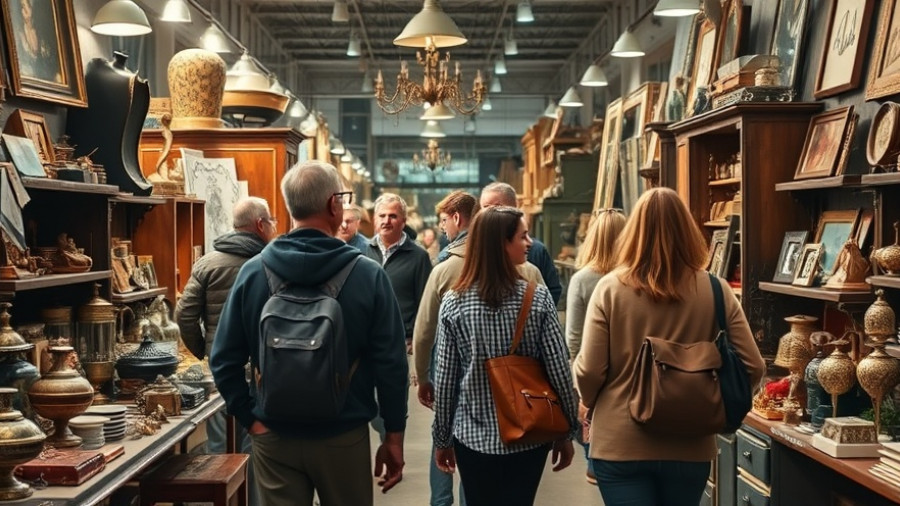
People exploring Best Vintage and Antique Shops Columbus indoor market.

Unearthing Columbus' Antique Treasures

In a world increasingly dominated by fast fashion and disposable items, Columbus offers a refreshing alternative through its extensive collection of antique and vintage shops. Professionals and entrepreneurs looking not only for unique pieces but also for environmentally friendly shopping options will find ample opportunities to explore Columbus' rich vintage scene.

Home to Unforgettable Finds

For locals and visitors alike, Scott Antique Market stands out as a premier destination, held monthly at the Ohio Expo Center. With an impressive range of items from furniture to collectibles, this vast market is a must-visit. For just $5 parking, shoppers can enjoy a day of sifting through treasures. It’s not just about purchasing; it’s an experience and a journey through time.

Modern Meets Classic at Flower Child

Located in the Short North Arts District, Flower Child offers a delightful combination of vintage clothing and home goods. This store is renowned for its mid-century selections that can transform any living space with character. Shoppers often rave about the eclectic mix, where a simple stroll could yield both a romantic piece of décor and an eye-catching outfit.

The Grandeur of Greater Columbus Antique Mall

When you think of antiques in a market setting, the Greater Columbus Antique Mall is a line of vintage heaven spread across five floors of an 1890s home. With items dating back hundreds of years, it provides clients with a full spectrum of history. A visit there isn't merely shopping; it’s an exploration of history, catering perfectly to the tastes of collectors and vintage enthusiasts.

Spacious Selection at Eclectiques Antique Mall

Eclectiques offers a charming labyrinth of antique and vintage booths, each curated by different vendors, presenting a variety of styles and price ranges. Shopping here is akin to a treasure hunt where you can stumble upon anything from mid-century modern furniture to vintage jewelry. It’s a community-driven space that brings together some of the best antique vendors, creating a dynamic and engaging shopping environment.

Salvage at Columbus Architectural Salvage

For those tackling restoration projects, Columbus Architectural Salvage is a vital stop. At 10,000 square feet, this store specializes in reclamation items that breathe new life into your projects. Whether you're looking for vintage doorknobs or rustic charm, this space feels like a treasure trove of potential.

A Journey of Discovery at Heritage Square Antique Mall

Heritage Square is known for its enormous selection, featuring 53,000 square feet of items that can take all day to peruse. Sit down and prepare your feet for an adventure; this antique mall includes a variety of products from different eras—guaranteeing something for everyone. Family-friendly fun can be found nearby, making it easy to spend the full day inside this captivating market.

Grandview Mercantile: A Shopping Destination

For shoppers seeking a diverse mix of antiques and fine home furnishings, Grandview Mercantile boasts more than 22,000 square feet of opportunity. This massive showroom is perfect for individuals looking to discover unique pieces to complete their home decor. Their selection often includes high-quality furniture and jewelry that can infuse new life into your home.

Exploring Beyond the Norm

In addition to these notable shops, Columbus contains countless hidden gems waiting to be uncovered. The unique features of each shop provide a different atmosphere for shoppers, and the treasures found are a testament to the city's rich history. Adding a vintage find to your wardrobe or home isn’t just about aesthetics; it’s a sustainable action and an investment in unique storylines.

Why Vintage Shopping Matters

As more people become conscious of environmental impact, vintage shopping presents a rewarding alternative to the traditional retail experience. By choosing to buy secondhand, you're not only supporting local businesses but also promoting sustainable practices. Plus, navigating through the shops offers a lifestyle choice that emphasizes creativity and individuality.

Ultimately, Columbus' antique and vintage shops provide professionals and entrepreneurs with an engaging way to experience the city while making thoughtful purchases. As you plan your shopping adventure, consider the stories these items could tell and the unique flair they could add to your life. There’s no better way to express your style than by exploring the past wrapped in these beautiful finds. So grab your wallet and set aside a day—you’re in for a rewarding old-school shopping spree!

Interested in exploring further? Share your own favorite antique finds or shops you’ve visited!

Business

Write A Comment

*
*
Related Posts All Posts
01.15.2026

Funding Cuts Threaten Youth Homeless Programs: Insights from Star House CEO

Update The Impact of Funding Cuts on Youth Homelessness in Central Ohio The fight against youth homelessness is much more than providing shelter; it encompasses ensuring educational access, emotional support, and creating a sense of community. Ann Bischoff, CEO of Star House, highlights these challenges amid troubling financial cutbacks affecting services designed for vulnerable youth. As federal funding decreases, programs crucial in supporting these young individuals teeter on the brink of collapse. Understanding the Shift: Federal Funding Challenges In the wake of funding cuts, Bischoff has raised concerns about how these limitations jeopardize the basic rights and essential services available to homeless youth. Echoing the sentiments of educational advocates nationwide, she notes how the trend mirrors broader national concerns regarding the loss of federal protections. Much like the proposals described in a Brookings report, the potential loss of the McKinney-Vento Act’s protections could strip away the critical support structures on which many young people depend. Why Youth-Focused Initiatives Are Vital Programs dedicated to youth homelessness have shown that targeted funding can lead to tangible improvements in student attendance and graduation rates. In California, efforts to reserve portions of homelessness funding specifically for youth have contributed to a 24% decline in youth homelessness over five years. This success story underscores the positive outcomes associated with dedicated financial resources. Effective programs not only provide immediate assistance but also help youths build skills and community connections necessary for long-term independence. Funding Cuts: A National Crisis? Local Impact While local programs like Star House serve as lifelines for many youths, systemic changes in federal budgeting could lead to dire consequences. A similar scenario has been seen in California as YUCA, a community center addressing youth homelessness, grapples with funding instability amid broader federal cuts imposed by the U.S. Department of Housing and Urban Development (HUD). Such restrictions could compel organizations to compete for reduced funding, weakening their ability to maintain vital services. What Lies Ahead? Future Predictions for Youth Services Looking to the future, the ongoing changes signal a concerning trend that might further jeopardize funding for youth-centric initiatives across the nation. If these cuts materialize as proposed, the ramifications for youth homelessness could be devastating. Experts argue that without significant investment moving forward, we risk reversing hard-won progress, as protective measures for students experiencing homelessness diminish. Call to Action: The Need for Greater Advocacy The crucial question remains: how can we safeguard our youth in this ever-evolving landscape? It is imperative for community members and local leaders to rally around advocacy efforts aimed at reinstating and increasing funding for homelessness programs. A collective voice can help ensure that youth experiencing homelessness retain their access to necessary resources, education, and safe environments. Conclusion: Reaffirming Our Commitment In these challenging times, it is essential to reaffirm our dedication to our youth and showcase the potential of community-driven solutions to combat homelessness effectively. As Bischoff pointed out, the stakes are high, and the consequences of inaction are profound. Together, we must ensure that no young person is left behind, advocating for the robust funding needed to create a supportive pathway toward independence and success.

01.15.2026

Exploring BrewDog's Closure: What This Means for Craft Beer in Central Ohio

Update The Impact of BrewDog's Closures on Central Ohio's Craft Beer SceneBrewDog's abrupt closure of its Short North and Franklinton taprooms resonates deeply within the fabric of Central Ohio’s vibrant craft beer landscape. Established as communal hubs that welcomed enthusiasts and casual drinkers alike, these locations epitomized the growth and camaraderie that characterized the local brewing community. With the decision to wind down operations, BrewDog not only steps back from these neighborhoods but also signals broader shifts in consumer behavior and business dynamics across the region.Historical Context: BrewDog’s Journey in the U.S.BrewDog, a Scotland-based craft brewery, made waves with its entry into the American market back in 2017, opening the groundbreaking DogTap brewery in Canal Winchester. It marked the brand's first venture presenting its unique concept of brewery-centric spaces. Both Columbus locations—opened in 2018—were well-received, contributing significantly to the area's craft beer culture. The closures thus not only reflect BrewDog's internal business decisions but are also a lens through which we can view the evolution of the local beer scene, marking the rise and fall of craft establishments.Shifts in Consumer Preferences and Market TrendsThe closures prompt an analysis of changing consumer preferences in the craft beer industry. As tastes evolve, so too do expectations from establishments. The rise of convenience—such as delivery services and off-premise consumption—has shifted patronage patterns, presenting challenges for taprooms reliant on foot traffic. Local beer lovers may now prefer gatherings that offer experiential aspects combined with high-quality beer, which can sometimes be limited within the taproom setting. Factors such as these could be influencing BrewDog's decision to scale back.Future Predictions: What Lies Ahead for BrewDog?Despite the setbacks in Columbus, BrewDog's breadth of operations remains. Its commitment to keeping its DogTap brewery and other Ohio locations operating suggests a recalibration rather than an exit from the market. With an established footprint in Canal Winchester and ongoing retail partnerships, BrewDog remains positioned to adapt to market demands. The key here will be understanding how to engage modern consumers who are increasingly drawn to craft experiences that blend social interaction with convenience.Diverse Perspectives: The Local Community ResponseThe local reactions to BrewDog’s news underline the strong emotional ties many customers felt toward these taprooms. Patrons not only enjoyed the brand's craft beer but also valued the sense of community that emerged from these venues. The outpouring of support on social media reflects a nostalgic acknowledgment of the memories created therein—be it during game days or local events. Conversely, some industry experts caution that the closures highlight potential struggles BrewDog may face in maintaining its brand ethos amid a competitive brewery market. This dual perspective encapsulates both the joy and sadness surrounding this development.Actionable Insights: For the Community and BrewDogLocal breweries can learn from BrewDog’s closures, recognizing the importance of adaptability in a dynamic market. Engaging with customers to collect insights can illuminate preferences that are shifting. For BrewDog, focusing efforts on enhancing guest experiences at remaining locations—through community involvement or innovative events—could not only shore up support but also reinvigorate enthusiasm for the brand. As they navigate this transition, both consumers and businesses in the craft beer landscape stand at a crossroad, where strategic innovation is key.Ultimately, BrewDog's closures may serve as a reflective point for Central Ohio's brewing community. As the local scene evolves, collaboration, adaptation, and strong community ties will play essential roles in fostering a resilient and vibrant craft beer culture.

01.14.2026

BrewDog's Closing of Short North and Franklinton Bars: What It Means for Crafters

Update Strategic Retreat: BrewDog's Closure of Two Central Ohio Bars BrewDog, the well-known Scottish craft brewery, has announced the permanent closure of its bars located in Short North and Franklinton, marking another significant shift in its U.S. operations. This decision follows broader market challenges and aims to streamline BrewDog's efforts to ensure a more stable business presence in America. Understanding BrewDog's Journey in the U.S. In the competitive landscape of craft brewing, BrewDog's expansion into the U.S. market began in 2017 with the DogTap brewpub in Canal Winchester. This establishment showcased BrewDog's ambition to secure a foothold in the American craft beer scene. The Short North bar, opened in April 2018, was pivotal as BrewDog's first stand-alone U.S. location, serving as a vibrant community hub initially featuring 24 taps and a menu of pizzas. However, the landscape has changed, and economic pressures have led to BrewDog's recent closures, including the Franklinton bar, which had been a part of the area’s growing craft beer scene since May 2018. The decision to shutter both locations was rooted in a reevaluation of the business model and operations within the U.S. market. Impact on the Columbus Craft Beer Community The closures of these two bars are particularly resonant for the Central Ohio craft beer community. The Short North establishment was more than just a bar; it was a social hub for locals and visitors alike, actively contributing to the neighborhood's cultural landscape. BrewDog expressed gratitude through social media, thanking guests and team members for their support and the memories created over the years. Supporting local businesses goes beyond economic transactions; it builds the backbone of the community. As BrewDog exits these areas, there's an opportunity for other local breweries to rise and fill the void left behind, creating a potentially rich environment for new establishments that can thrive in this evolving landscape. Navigating Challenges in the Craft Beer Market The craft beer market has faced multiple challenges over the past few years, from supply chain issues to shifting consumer preferences. BrewDog's recent closures highlight the critical nature of adaptability in a market characterized by fierce competition and changing consumer dynamics. Competitors in the region may find themselves poised to capture BrewDog's former clientele, particularly as consumers continue seeking unique and engaging experiences. Future Considerations for BrewDog Despite these setbacks, BrewDog remains committed to its ambitious goals in the U.S. market. The company maintains its operations at the DogTap in Canal Winchester and has plans to continue distributing its products through various partner bars and local retailers. This strategy could serve as a new way to connect with customers while focusing on operational efficiency. The decision to close two bars reflects a strategic retreat but not a withdrawal from the market. BrewDog's leadership may view this as an opportunity to consolidate resources and strengthen their business model. The focus on 'less swagger, more science' alludes to a data-driven approach to crafting a smarter, more profitable business. Looking Ahead: The Evolution of BrewDog The closing of these establishments will undoubtedly generate discussions about the viability and sustainability of craft locations in urban centers. As the Columbus craft beer market evolves, the impacts of BrewDog's exits should encourage current and future entrepreneurs to reassess their strategies and consider how to engage with and enjoy the community they hope to serve. Acknowledging the importance of both social and economic factors, the future landscape for craft brewers like BrewDog hinges on adapting to change and continuously finding ways to capture the community spirit, even as direct presence in certain neighborhoods ceases. In conclusion, the permanent closures at BrewDog reflect a necessary strategic decision amidst significant market dynamics. For more insights on local craft beverages and the evolving Central Ohio economy, keep an eye on emerging trends and potential opportunities that may arise from these changes.

Terms of Service

Privacy Policy

Core Modal Title

Sorry, no results found

You Might Find These Articles Interesting

T
Please Check Your Email
We Will Be Following Up Shortly
*
*
*